From IoT data to usable information
Sensors, meters, and machines continuously collect data. However, the real value only emerges when that data is presented clearly and helps to make faster and better-informed decisions.
With the IoT platform from Master Chips, we bring together data from sensors, meters, machines, and other systems in one central environment. This gives you a clear overview of, for example, energy consumption, temperature, water levels, air quality, machine data, locations, and alarms.
How Master Chips works in 5 steps
1
Measuring
2
Connecting
3
Visualising
4
Analysing
5
Taking action
One platform for different devices and technologies
An IoT environment rarely consists of a single type of sensor or one communication technology. Within the same project, for example, LoRaWAN sensors, NB-IoT devices, energy meters, industrial controllers, and data from external systems can be used.
The IoT platform makes it possible to bring together these various data sources in one environment. This way, the user does not need to consult a separate platform for each brand or device, resulting in one central overview of the entire installation.
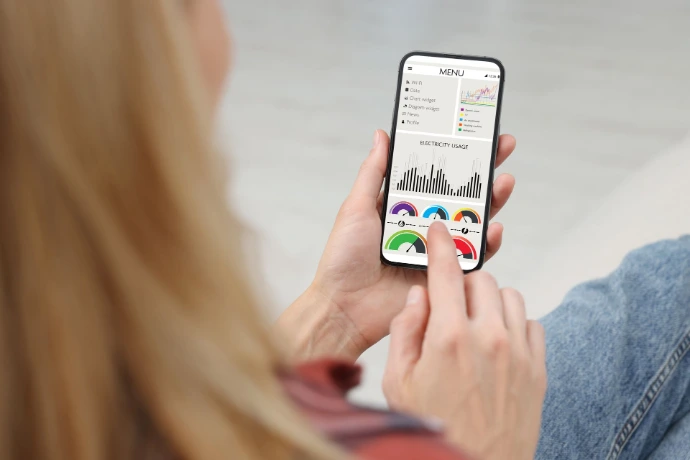
Custom dashboards and alarms
Every user needs different information. That’s why we build custom dashboards with, for example:
Real-time measurements | Trends and graphs | Energy and consumption data | Device status | Alarms and deviations | KPIs and reporting
In case of deviations, the platform can automatically generate an alarm, allowing you to respond quickly without constantly checking the dashboard.
Manage everything centrally
LoRaWAN sensors, NB-IoT devices, energy meters, industrial controllers, and external data sources can be brought together within a single environment. Multiple buildings, sites, and installations can also be monitored centrally.
Where technically possible, we connect the platform with existing systems via, among others,APIs, MQTT and other IoT or industrial protocols.
Need help choosing?
Master Chips not only helps with the platform but with the entire IoT architecture:
Sensors & meters → Connectivity → Gateway / Edge → IoT platform → Dashboard → Alarm & action
This way, you get one integrated solution that can grow with your project.
